

Working Groups
EABA has created dedicated Working Groups dealing with important topics for the algae stakeholders at very different levels. The coordination is performed by EABA members that can be contacted to help and to take part in the implementation of information and position papers. Non-EABA members can be invited and participate and their contributions recognized in any documents produced by the Working Group.
Aim / Key Questions
Building on the EABA LCA Task Force established in 2024, the LCA Working Group brings together academic and industry experts to address practical and methodological challenges in Life Cycle Assessment (LCA) for the algae sector.
The LCA WG develops guidance and shared resources to strengthen LCA practice and improve the transparency, comparability and reproducibility of algae-related LCA studies, while also supporting alignment with LCA practices and methodologies across the broader bio-based industry.
Follow us also: linkedin.com
Aim / Key Questions
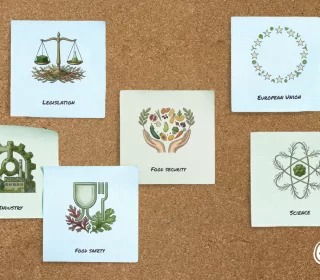
The EABA NFWG is a dynamic collaboration of academic and industrial experts dedicated to addressing the challenges of the Novel Foods regulation in the algae sector with the aim to strengthen the association’s scientific and regulatory knowledge and support the activities for development of a competitive, sustainable and innovative European algae sector.
The NFWG will provide a practical platform for members and experts to work together on Novel Foods issues, while ensuring that EABA remains the common voice of the sector. The group will complement, rather than duplicate, the work of the EABA Board, Secretariat and other EABA working groups.
Launched on the 20th of November 2025, the WG aims to provide clear and actionable recommendations for the competent authority for improvement and maintenance of algal entries in the Novel Foods Catalogue (NFC). By doing so, the task force seeks to improve the general understanding and exploitation of the Novel Foods Regulation of algae-based products. The expected outcomes of this collaborative effort, will serve as a basis to develop cooperation of EABA with EU institutions such the Joint Research Center and DG Sante for algal novel foods.
Aim / Key Questions
The EABA Advocacy Working Group was established at the request of EABA members, following a member survey that highlighted the need for a more structured and coordinated approach to advocacy. Its core role is to identify the advocacy needs of EABA members and bring concrete examples from their day-to-day experience – such as regulatory barriers, bottlenecks and practical cases – that can be presented to regulators and policymakers.
Focusing on European policy and regulatory developments relevant to algae, the WG provides a dedicated space for members to identify emerging issues, share their expertise and help define the priorities on which EABA should engage. The group translates members’ needs and evidence into clear EABA positions and recommendations, supporting EABA’s engagement with EU institutions and other relevant organisations so that algae are appropriately considered in European policies and regulations. It complements, rather than duplicates, the work of the EABA Board, Secretariat and other EABA working groups, ensuring that EABA remains the common voice of the sector.
Rather than following every policy file, the WG is focused and impact-oriented, turning the expertise and networks of EABA members into coordinated advocacy and strengthening EABA’s visibility and credibility as a knowledgeable voice for the European algae sector.